Your Guide To Moving – Part 1 – Selling Your Home
How To Sell Your Home
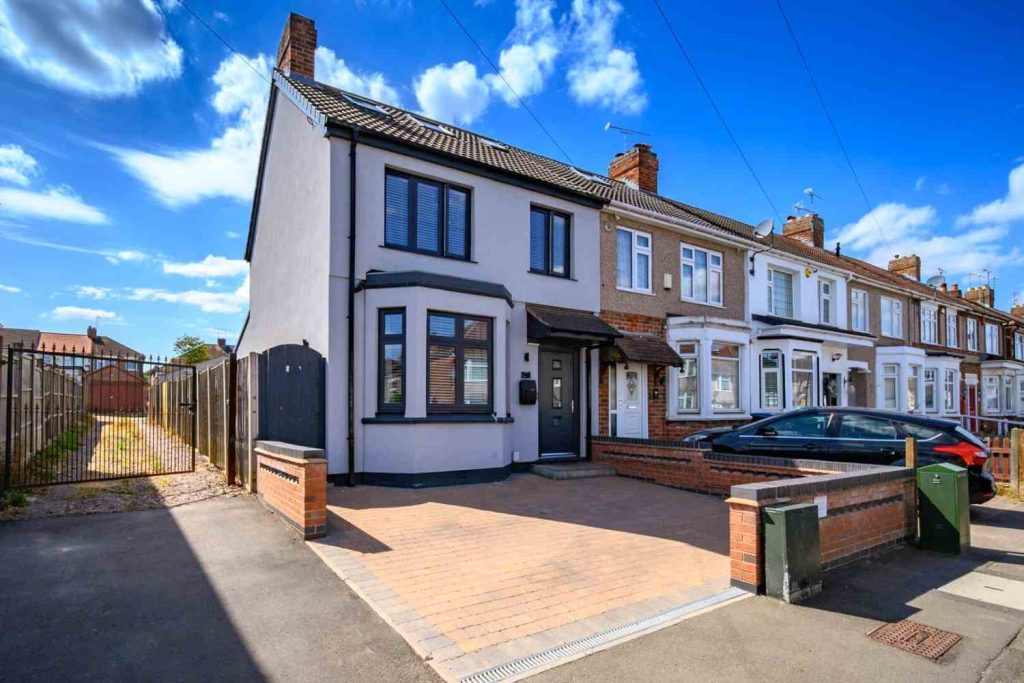
Moving home consists of a number of stages which is why we’re putting together a five part series to guide you through every step of the journey. The first step often involves selling your own home in order to purchase another one. A home with plenty of interest, offers and a quick final sale opens up more options to you than if you’re stuck struggling to sell it. Having spent years advising people throughout Coventry and Warwickshire, we’ve decided to give you the key things to do or watch out for when selling your home. We’ll cover everything from what your home is really worth, how to set your pricing strategy and the paperwork you’ll need to keep the sale moving.
Valuations, Home Improvements & Staging
Getting A Proper Valuation
Online valuation tools are a nice starting point but they don’t reveal the full picture. Typically, they use average sale prices for an area and historic sale prices to value your home. They don’t account for recent market movement and any work that’s been completed to the home. You may have added an extension, fitted a new boiler or completely refurbished the home. On the other hand, if the house is in bad condition the value may be less than the valuation.
A true valuation comes from a professional estate agent who knows the market and has the experience in selling homes day in day out. They’ll know why certain houses sold for above or below market value in the local area. Rather than getting a fixed figure, they’ll be able to give guidance on the lower and upper end of the valuation ranges, giving you more to plan around when you start looking for a new home. You should also receive an estimated listing with the reasons why that should be the target or starting point. If a lot of homes are up for sale in an area you may wish to price competitively to drum up more interest as sell at above asking. If you’re the only seller in a popular area, you may want to list it slightly higher as buyer demand outweighs the last sold prices.
Home Improvements That Are Worth It
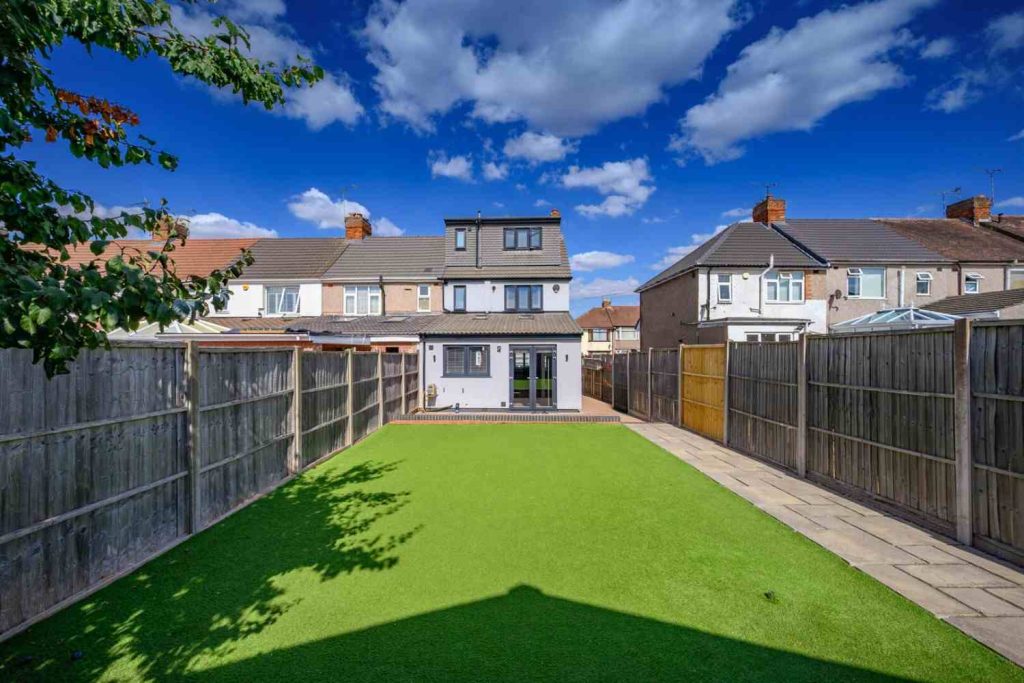
For a lot of sellers it’s common to ask what improvement can be made to maximise the value and what work looks good but doesn’t actually add anything to the value. As a benchmark, adding space to a home normally raises the value. According to Nationwide, adding 10% more floor area increases the value by around 5%. Turning a two bed into a three bed can be up to 13%, turning a 3 bed into a 4 bed is about 10% and a loft conversion that creates a large double bedroom, a whooping 24%. Believe it or not, this is quite often not where most people focus their attention. Kitchens and bathrooms are typically the project most sellers look at. The kitchen area is a big reason why people will buy a house but having it renovated doesn’t add value like creating extra space does. There is an argument that an older, tired kitchen can decrease the value of a home but this can be counteracted by making smaller improvements to the existing one rather than having a full renovation.
It’s worth taking caution with any improvements. If the cost of adding extra space outweighs the value generated, it’s probably not worth doing. Each street also has a valuation ceiling where it becomes difficult to add more value due to the average price of the homes around you. If you do have any structural work done to the home, ensure all planning permission and building regulations have been met and documented as this is an area sales can fall through.
TOP TIP: Look at adding space or making aesthetic improvement rather than full kitchen and bathroom renovations. 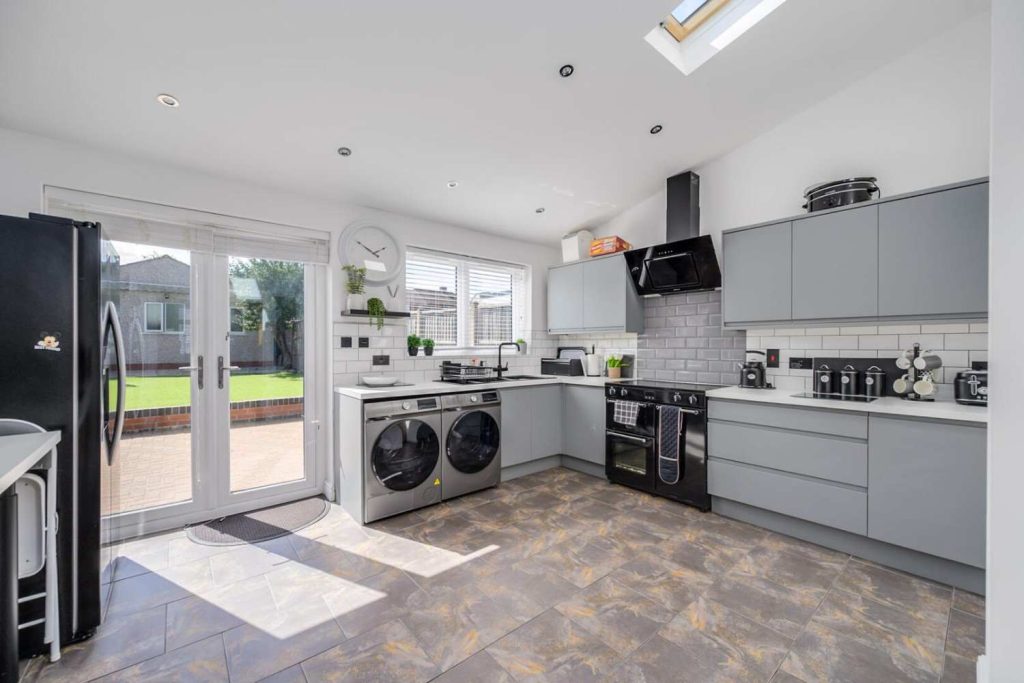
Staging Your Home
So it’s not a new kitchen you need but you still want to make your home as attractive as possible to prospective buyers. It needs to look clean, cared for and bright. Putting away non-essential day to day items not only keeps your home tidy but also maximises the space buyers see. Cluttered homes can feel smaller and more cramped.
You’ll also find smaller jobs make a big difference. Around a third of failed sales come from what surveyors spot so it’s important any issues you’ve been putting off such as minor damp, clogged gutters or slipped roof tiles are dealt with before you get to this stage. Strimming the garden for clean edges (rather than just giving it a mow), tightening loose door handles or giving the hallway a fresh coat of paint are all small, inexpensive jobs that can catch a buyer’s eye.
Above all, maximise your use of light during viewings and when photographs are taken to market the property. Open curtains, clean windows and have the photos taken in the day. This can make the space seem bigger than it is and helps to attract more viewings when the home is on the market.
Pricing & Paperwork
Experience & Data Led Pricing
Everyone wants the highest price possible for their home and nobody wants their home to sit on the market for months on end. This is where the art of pricing comes in and estate agents earn their keep. The first two weeks are crucial as this is when listings get the most attention. You want a figure that brings buyers through the door without leaving money on the table.
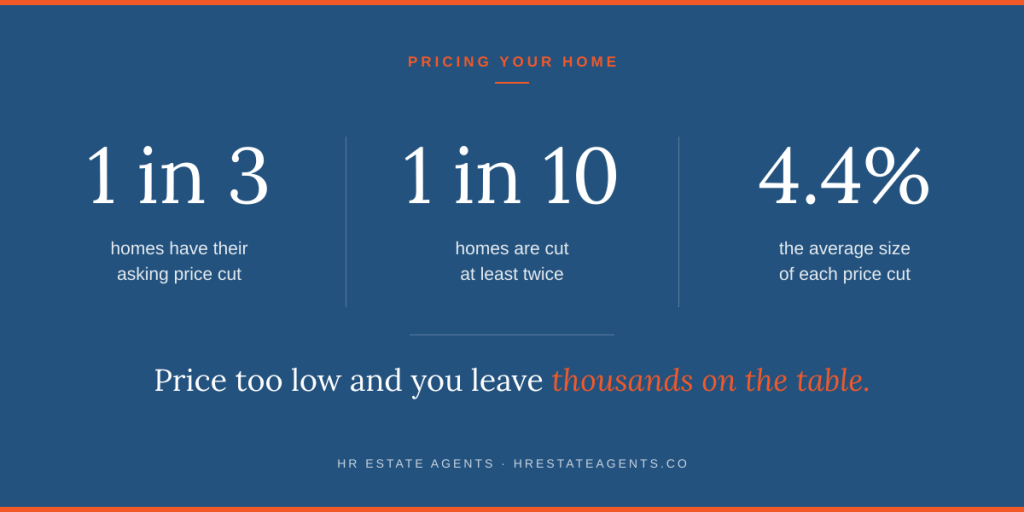
When looking at May 2026 figures from Rightmove, around 1 in 3 homes have their asking price cut and when a pricing cut was made, these homes took around 3 months longer to find a buyer. That’s not weeks, that’s months! Savills’ data doesn’t look much better either. Each pricing cut averaged around 4.4% and 1 in 10 homes requires more than 1 cut. Buyers have access to the listings full price history so cuts make them wonder if there’s something wrong with the property that they’ve not seen.
However, if you list the property too low, you may end up with a quicker sale but you are potentially leaving thousands on the table. Most buyers will negotiate down from a listing price not up so if you’ve already underpriced it, you’ll potentially end up losing even more. At least with a higher price, you have scope to come down.
Ideally, you want your home priced at the sweet spot that maximises your value but keeps buyers interested. By using house price data in the local area as well as having an experienced agent on your side, you’re able to get closer to this sweet spot. That’s why picking the right estate agent is such an important thing!
Paperwork
If a sale falls through, it’s more likely down to a delay than a disagreement. From January to March 2026, around 25% of agreed sales failed to complete. The number of days taken from agreeing a sale to exchanging contracts has risen from 76 days in 2019 to 104 days in April 2026. These delays create more opportunity for things to go wrong in the chain, with mortgage offers and with people’s job roles.
To speed up the process there are a number of things you can do. Having a photo ID and proof of address enables your solicitor to complete anti money laundering checks. An energy performance certificate (EPC) is required to market the property and any documentation relating to the building is essential. This includes planning permissions, completion certificates for extensions, boiler history, FENSA certificates and any other documentation you have relating to your home.
You’ll need to complete a property information form (TA6) and a fittings and contents form (TA10). This will save you time later down the line. If your home is leasehold, you’ll also need your lease as well as a management pack from the freeholder or managing agent. These can take weeks to arrive and can come with a cost so it’s worth locating them early. Title deeds are useful if you have them but your solicitor can locate these from HM Land Registry if you can’t find them.
These are the key bits of paperwork that you’ll need. It’s also worth having a solicitor in place before you accept an offer rather than getting one when an offer comes in. Once an offer’s been made, you want to move as quickly as possible.
Thinking of Selling This Year?
It’s a lot to take in and that’s before you’ve even started looking for a new property. At HR Estate Agents, we’ve sold homes across Coventry & Warwickshire for years and have experience in helping you at every stage of the selling (and buying) journey. Our experience helps us to get you closer to that pricing sweet spot, advise on staging your home correctly and attract buyers who will genuinely be interested in your home. If you want a free, no-obligation valuation, get in touch with us and we’ll be happy to help. The next article in the Your Guide To Moving will focus on finding and buying a new home.