Your Guide To Moving – Part 2 – Purchasing A Home
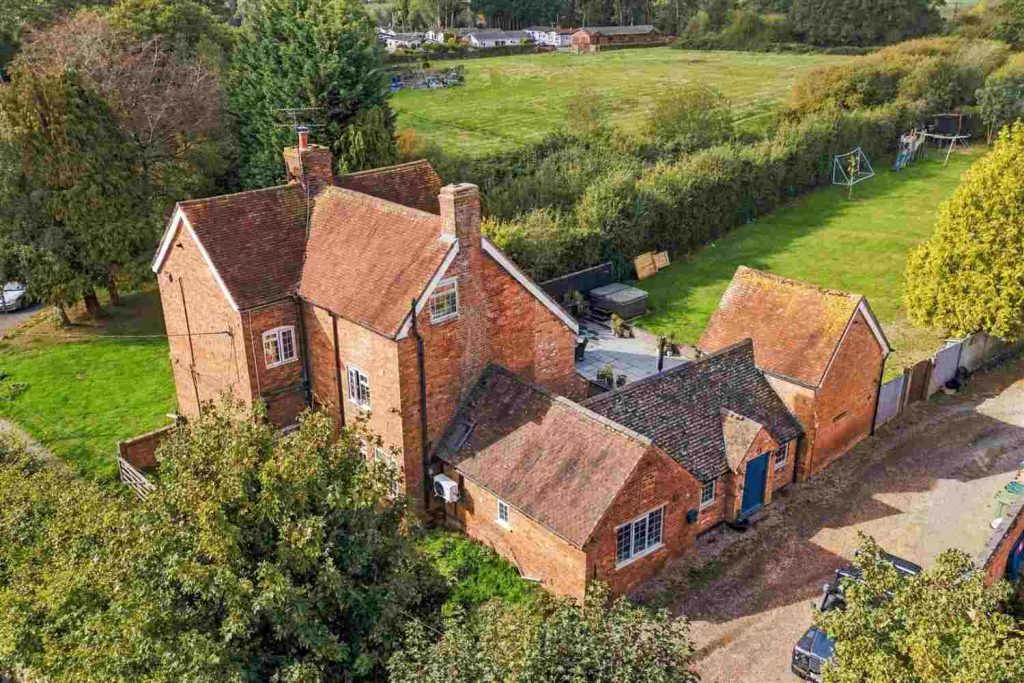
With your own home on the market, attention turns to the part people enjoy the most. Scrolling listings, booking viewings and picturing your life in a new home. It’s exciting but it’s also the stage where a little discipline pays for itself several times over, both in the home you end up with and in the price you pay for it.
In our experience, the buyers who do best aren’t the ones who see the most houses. They know what they’re looking for, booking viewings quickly when the right home appears and have everything ready to act when it does. This guide shows you how to be that buyer.
Finding The Right Home
Search Smarter, Not Wider
Start by separating what you need from what you’d like. Three bedrooms, a garden and a particular school catchment are normally non-negotiable needs. A utility room and a south facing garden are wishes. Write both lists down and agree them with everyone you’re moving with. Six weeks into viewings it’s remarkably easy to forget which was which and talk yourself into the wrong house or out of the right one.
Then widen the map rather than the budget. A postcode you haven’t considered can offer noticeably more home for the same money and the difference is often a ten minute drive rather than a different life. Look at what nearby villages and neighbouring towns offer at your price point before deciding a bigger budget is the only answer.
Speed matters too. The best homes in any area attract interest in their first few days, so set up alerts on the property portals and register with us directly. Our registered buyers often hear about new listings early, sometimes before they reach the portals which can be the difference between being first through the door and finding the home already under offer.
What To Look For At A Viewing
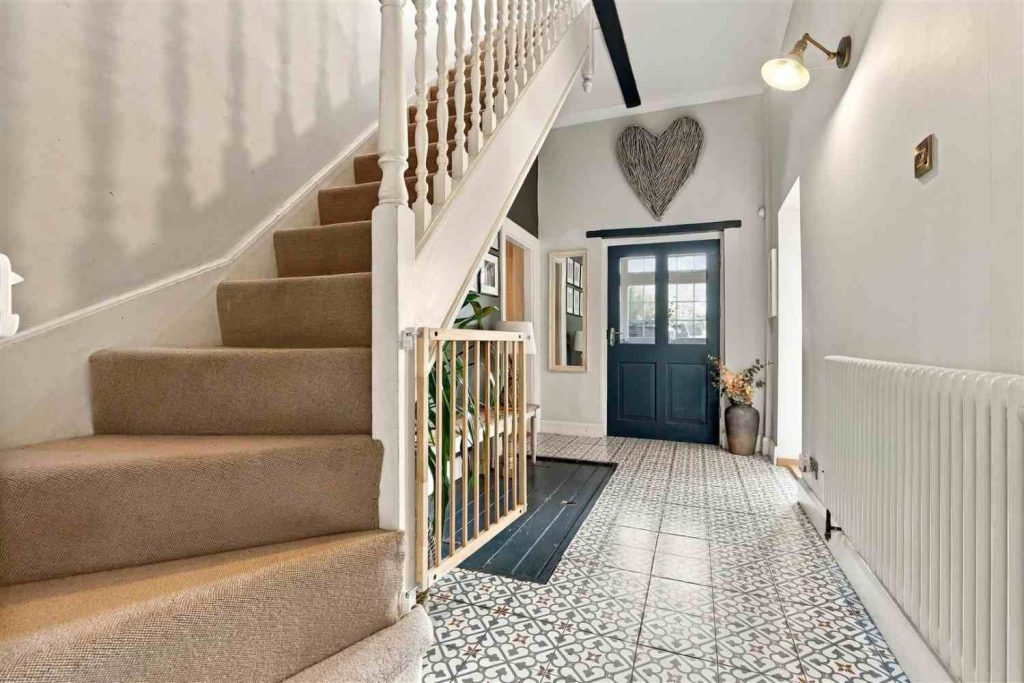
Photographs show every room from its best angle so the first job of a viewing is to check what the camera left out. Look at the boiler and ask how old it is. You can also ask when it was last serviced for a clearer picture on how the home has been looked after. Run the taps and check the water pressure in the shower. Open a few windows and look at the frames. Notice where the sun falls, whether there are any smells or fresh patches of paint in odd places, and whether the parking that looked generous online is actually shared with the whole street.
Take photos and notes as you go because after a busy Saturday of viewings the houses start to blur together. Measure anything that matters, such as the space for your sofa or the width of the drive. It can feel a bit strange walking through someone’s existing home and you may feel like you don’t want to take up too much of the estate agents time, but it’s one of the biggest purchases you’ll ever make so getting everything checked is essential.
Then go back a second time, ideally at a different hour. A road that’s peaceful on a Sunday morning can be a very different proposition at half past eight on a Tuesday, when the school run and commuter traffic are in full flow. Ask why the owners are moving, how long the home has been on the market, and whether they’ve found somewhere to buy themselves. The answers tell you a great deal about how flexible the seller might be and how quickly they’ll want to proceed.
What To Do Before Making An Offer
A few hours of research before you offer can save you from an expensive surprise later and all of it is free. Start with the listing itself. Every property advertised for sale should now show its council tax band, its tenure and other key facts, so read the details in full and ask us about anything unclear. If a home is leasehold, ask about the remaining lease length, ground rent and service charges straight away because they affect both your running costs and your mortgage options.
Then look further afield. HM Land Registry publishes what homes have actually sold for which is far more useful than what neighbouring homes are listed at. The government’s flood risk checker shows the long term flood risk for any address. Ofcom’s coverage checker tells you what broadband speeds and mobile signal to expect. This matters more than ever if you work from home. Your local council’s planning portal shows any applications nearby, from a neighbour’s extension to a new housing development at the end of the road. Ten minutes on each can change how you feel about a home, or how much you’re willing to pay for it.
Making An Offer That Gets Accepted
Get Your Finances In Order First
Nothing weakens a good offer faster than not being able to prove you can afford it. Before you make one, arrange an Agreement in Principle (AIP) from a lender. It’s a statement of how much they’re likely to lend you based on your income and circumstances. It takes very little time to arrange and immediately puts you in a stronger position than a buyer who hasn’t bothered.
Alongside it, have proof of your deposit ready, and if you’re selling, be clear on where your sale has reached. Sellers and their agents will ask about both. A buyer who can answer in a sentence and back it up with paperwork comes across as someone who will get to completion, and that matters.
We cover mortgages properly in the next part of this series, so if that side is still a question mark, hold that thought. Just know that having your finances in hand before you offer, rather than after, is what separates the offers that get accepted from the ones that get politely noted. If you’d like help arranging an AIP, our in house team at HR Financial Services can talk you through it.
Putting Together A Strong Offer
An offer is never just a number. It’s a number attached to a person, and the seller is weighing up both. Be clear about what you’re offering, what you’d like included, such as curtains, appliances or the garden shed, and how quickly you can move. If your own home is under offer, say so and say how far it has progressed. If you’re a first time buyer or chain free, make that front and centre, because it’s one of the most valuable things you can offer a seller.
Don’t be afraid to open below the asking price if the evidence supports it. Offers below asking are normal. Zoopla’s figures show that homes sold for an average of 3.5% under their asking price in the first quarter of 2026, which worked out at around £18,800. But the gap varies hugely from one home to the next, so base your figure on recent sold prices for similar homes nearby, the condition of the property and how long it has been on the market, and be ready to explain your reasoning. A well reasoned offer with a solid position behind it will often beat a higher one from someone who can’t yet proceed. Sellers want certainty as much as they want the money.
Put your offer in writing, either by email or through us, so there’s a clear record of exactly what’s being proposed. Every offer has to be passed on to the seller, so yours will always be heard. If the seller comes back with a counter offer, take a moment to think rather than reacting on the spot. It helps to decide your absolute ceiling before you start, so you’re negotiating against a figure you’ve thought about rather than how you feel on the day.
Once your offer is accepted, it’s worth knowing that in England and Wales nothing is legally binding until contracts are exchanged. Ask for the property to be marked as sold subject to contract and taken off the market, then instruct your solicitor and start your mortgage application promptly. The sooner the process starts, the shorter the window for anything to go wrong.
See What’s Available Now
New homes come to the market every week across Coventry, Warwickshire and beyond. Browse what we’re currently offering or tell us what you’re looking for and we’ll let you know as soon as the right home comes in. If you’d like to get your finances in order first, HR Financial Services can help you arrange an Agreement in Principle before you start viewing.